Book Review: Sunrise on the Reaping by Suzanne Collins

Rating: 9/10

Genre: Dystopian Fiction
The Hunger Games: Sunrise on the Reaping : Collins, Suzanne: Amazon.de:  Books

Spoiler Warning for The Hunger Games Triolgy and The Ballad of Songbirds and Snakes

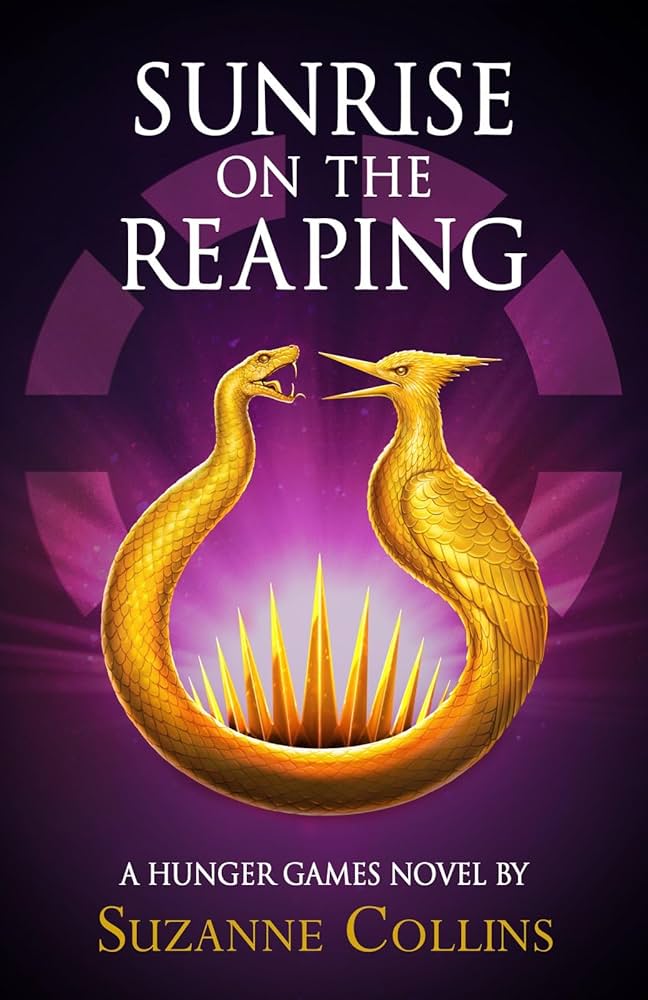
This book was a wild ride. The plot itself was actually so unexpected. Because of what we already see about the Quarter Quell, I thought I knew the rough outline of the plot. I did not, because what we see in Catching Fire is actually the Capitol manipulation of what happened during the Quarter Quell, which I think is a fantastic twist that really shows the dystopian nature of perception control. I loved the use of symbolism, and of poetry and song. I really enjoyed getting to see Katniss’ parents, and more of District 12, it’s people, and it’s traditions, as well as seeing more of the Covey.

I loved the complexity of all the tribute character– no one was entirely bad or entirely good. This book featured obvious acts of rebellion and disruption, but it also (and perhaps most importantly) featured acts of rebellion in the shape of kindness and unity. President Snow is also a surprisingly well-developed character in this book: he is the villain here in a way he is not in The Ballad of Songbirds and Snakes. He is powerful, and you get a glimpse into the mind of President Snow, in a way we didn’t necessarily get when he was still Coriolanus (and not yet in power). His cruelty is on full display here. I was also fascinated by the way the Hunger Games and the Capitol’s power still aren’t fully developed here: there are several mistakes and malfunctions on the part of the Capitol. The structures we see in the Hunger Games trilogy are not yet fully developed– but at the end of the day, it doesn’t lessen the Capitol’s power, becaus, regardless of what happened in reality, their true power comes from complete control over perception.

My favorite character in the book was, by far, Maysilee Donner. She was such a vivid character, practically jumping off the page. She didn’t ask people for respect, she demanded it, no matter how dangerous it was for her. She took the label “shrew”, and embraced it. Vicious, capable, and so wonderfully full of life, no one could break her spirit.

My second favorite character actually didn’t get much screen time, but I really loved what we got to see of Asterid March, who later becomes Katniss’ mother. She is all quiet strength and resilience, while keeping a sensitivity that most of the other character’s are forced to lose through the sheer brutality of their circumstances, particularly the characters who spend time in the Captiol.

Overall, I really enjoyed this book. However, the closer I got to the final chapter, the more full of dread I became– I knew the ending, and I knew it wasn’t pretty. It was, perhaps, even more brutal than I was expecting. Something Suzanne Collins does very well is that she embraces the idea that there are no fully happy endings, even in epilogues. Her Haymitch felt realistic, and as a reader, I really felt the hopefulness of his youth, and the despair of his reality. I recommend reading it– no matter how much you’re already dreading the ending.
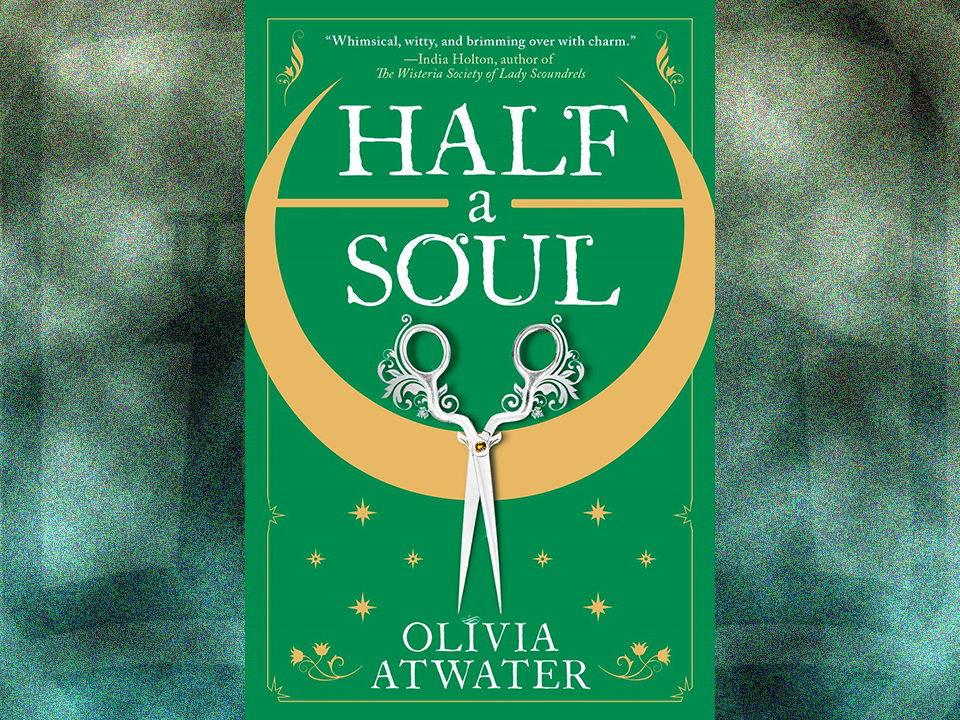
Book Review: Half a Soul by Olivia Atwater

Rating: 10/10

Genre: Faerie Regency England Historical Fiction with Romance and Fantasy

I adored this book. Seriously, I read it all on a single plane ride– I just couldn’t stop myself. I mean, to begin with, I have a soft spot for Regency England romances with strong female leads, not to mention my absolute obsession with books with the Fae. I found this story fascinating. The premise of Dora having “half a soul,” with the other half stolen by a faerie, was captivating, and made her such a unique character. Her lack of respect and deference to both social norms and the undeserving resulted in a great deal of hilarity, and her deep connections with the few that she did let into her heart were touching. As one of the characters said, there are “many human beings with a full soul to their name who do not have half so much compassion or practicality.” The romance works well with Dora’s personality, character development, and story, with charming side characters (I was particularly fond of Albert Lowe). However, the true triumph of the book was the way it weaved true social injustice and cruelties from the era with the fantastical elements of the book; the author does not shy away from the reality of the situation, but intertwines it with a belief in the small actions one can take to make things better, leaving the reader with hope as well as sorrow.

Book Review: Queen B by Juno Dawson

Rating: 9/10

So, this was fantastic. I am in awe. It’s a little slow in the beginning, I’ll admit. The thing about it though, that really makes it stand out, is how women-centered it is. It’s not just that all the female characters are incredibly complex – it is that the story, essentially, is about them. The men in the story are there to further the women’s plot lines- they are barely even supporting characters. I don’t think I’ve ever read a book where women were so clearly the focus, to the point that men don’t even really feature. This book wouldn’t pass a reverse Bechdel test, and I think that’s lovely, considering how many books don’t pass the actual test. Don’t get me wrong, I don’t hate men, and I love reading books with complex male characters. But we have so many of those, so many stories where women are reduced to supporting characters, that I find it incredibly satisfying to have a book where women are so clearly the center of that universe, especially for a book set in Henry VIII’s court, where women were so often considered disposable. Here, Anne is unapologetically ambitious, but that doesn’t make her unforgivable, or even a bad person, just complex. Here, Cecilia is a betrayer. Margaret Pole hates being a witch because of her faith. Grace is consumed by anger. The women live and laugh and love, and hate and betray and scream, and have their own agendas, and the author acknowledges that that’s okay. That’s human. Everyone has agendas and desires, including women, only we are condemned for it.

And on. the female characters, I want to add that this is the best portrayal of Jane Boleyn that I’ve ever read. It offers an explanation (one that involves magic, so I understand it isn’t a historical one, but it does extend a bit) for her actions that I find satisfying. I want to read about women who are vain and resentful and ambitious and arrogant. Women who are unattractive, women who are beautiful, women who lean into their femininity, women who are tomboys, women who want more, women who want to break the system, women who want to work within the system. This book, yes, is about witches, but more essentially, it is about women. And, to me, that is what made it stand out.

Book Review: A Lesson in Vengeance

Rating: 9/10 (Beautiful, but not my genre, and I suspect I am going to have nightmares.)

I still can’t tell who pushed who to what point, or who is the true villain. This book is deliciously complex, delving into human psychology in a fascinating way. The narrator is incredibly unreliable— not only is her judgement often erring (or maybe it isn’t?) but she has psychotic depression and experiences hallucinations. Her grip on reality itself is tenuous, but she’s so convincing that you can’t help but have a part of you feel utterly convinced that this time, she’s right, only for her to change her own mind about the truth two chapters later. Despite a slow start, the plot is complex to the point of being convoluted, but utterly captivating, with characters that jump off the page. Even upon finishing it, I am unsure as to the book’s truth.

Book Review: Medici Heist by Caitlin Schneiderhan

Rating: 10/10

From the beginning of the book, it’s clear that none of the main characters are saints, but in the world of 16th century Florence, thieves are far from the worst the city has to offer. For Sara and Rosa, grifting is the family business. For Dominic, conning is survival, and Khalid’s involvement in the Italian criminal world is under duress, to protect his family.

The book’s heist is anything but ordinary- after all, few people have the guts, much less the skills, to rob a Medici Pope in his home city of Florence. In fact, no one would dare it solely out of greed. But each member of the group has their own motivation, from revenge to freedom.

While the story of the heist is exciting and complicated, this is not just the story of an adventure or a robbery. This book plunges one into Renaissance Italy, where beauty and opportunity went hand in hand with cruelty and destruction, and dynasties were built by walking over the bodies of innocents. And if nothing is sacred, why should the Pope be an exception?

Book Review: Babel by R. F. Kuang

Rating: 10/10

Ok, so this book is brilliant. Like, just straight up brilliant. The way it explores the tensions of class and race, the way it inspects colonialism, adding magical realism to expose/emphasize the role of language and extraction of resources (including people) was amazing. This book kind of broke me. The way the narrating character is in this position of privilege versus some of the other main characters, and the way this allows him to cling to a false view of the world, is so impactful. I honestly think everyone should read this. The world of this book is rich and complex. The characters are incredibly. multi-faceted, and the conflict is both historical and very relevant today. The book is wonderfully written, and its exploration of academia and language is beautiful, but these only enhance the socioeconomic and political implications of the book. It addresses questions of privilege, of when violence is acceptable, of complicity, of the role of academia in politics, and so much more. I think this book should be added to school curriculums. It is one of the best books I have ever read.

Book Review: A Deadly Education by Naomi Novik

Rating: 9.5/10

This book would have gotten a 10, but it turns out it’s part of a series. I am extremely annoyed about this. I was satisfied with the ending! It worked perfectly well as a stand-alone damn it! Now I’m stressed out about what’s going to happen next!

Still, this book is amazing. Now that I’ve gotten that rant over, I can gush about it. First of all, the main character, Galadriel, spends the first half of the book worried about being evil, while furiously resisting the notion that she’s a good person. She has so many crises over it it’s really funny. Like she’s not even average, she is legitimately good and very loyal. Also, the whole vibe of this book is kind of awesome and I love the relationship El has with her love interest. I would definitely recommend reading this

Book Review: Father Comes Home From the Wars by Suzan-Lori Parks

Rating: 8/10

Favorite Character: Penny

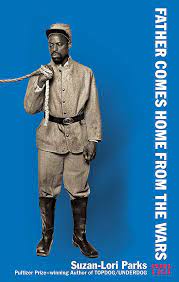
I think that it might have been just my Lit Hum class that read this, but it was honestly such a good addition to the syllabus. We read this right after the Oresteia, so we could very directly see the references to Greek epics here. However, it subverted and revealed the dark side of these heroic themes we had already explored. Set during the Civil War, it is an interesting explorations of how the values of ancient Greece hold up in more modern times. This book applies the values of heroic culture to a more layered society. Personally, I found the most interesting theme to be that of loyalty, particularly the ways in which the main character, Hero, is or isn’t loyal to those around him. It’s reflections on human nature, and how humans can justify slavery, are particularly fascinating.

Book Review: Daisy Jones and The Six by Taylor Reid Jenkins

Rating: 8.5/10

Favorite Character: Karen

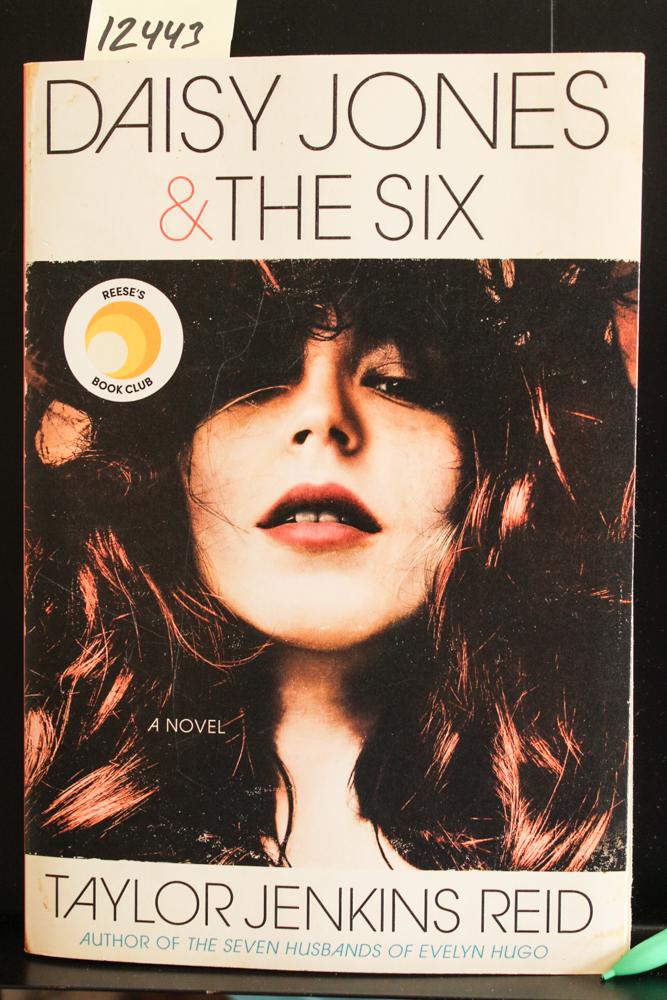
I love the interview format of the book. I think it’s fascinating how you can see different characters describe the same event in different ways. It also lets you follow the side plots pretty easily, while still focusing on the main plot. It lets you get an understanding of all the characters while still concentrating on the main plot. The characters are fascinating, and you can see where all of them are coming from. The way it plays with connection, communication, loyalty, and choice is really fascinating. The dynamics between the characters are fascinating, and by the end, you can really see how early on the seeds for the collapse of the band are planted. The way the story weaves together is great. The way the author explores gender, and what being female in the music industry means, is fascinating, as is the way that we can see how very different the public impression of the band is from what it actually is. One of the biggest themes in the story, highlighted by the format, is perception.

Book Review: Crime and Punishment by Fyodor Dostoyevsky

Rating: 9/10

Favorite Character: Dunya

Honestly, I thought this was a pretty good book. It’s really interesting, and each of its six sections has a plot of its own, as well as the overarching plot. The characters are all interesting and complex. It provides an in-depth exploration of society, in particular class and gender. It also has an interesting exploration of morality. Like War and Peace, it’s very philosophical, and the author has a habit of going on long rants. However, the plot is quite interesting, and the characters are relatable (do not judge me for this- please). It explores gender dynamics in a way I did not expect from a 19th century male author, and the clash of the Western Enlightenment ideology mixing with Orthodox traditional Russian culture was very interesting.